




Selecting the right OEM motorcycle apparel manufacturer is a foundational decision for any private label brand operating in the motorcycle gear industry. The manufacturer you choose does more than produce garments—it directly impacts your product quality, consistency, and ability to scale in a competitive market.
As the industry becomes more saturated, brands can no longer rely on basic sourcing models. Success now depends on working with a manufacturing partner that offers technical expertise, customization capabilities, and reliable production systems. Whether you are launching a new collection or expanding your existing range, understanding how OEM manufacturing works will help you make more informed and strategic decisions.
This guide provides a structured overview of the OEM process, key evaluation criteria, and practical considerations for building a strong and sustainable private label motorcycle apparel brand.
What is an OEM Motorcycle Apparel Manufacturer?
An OEM motorcycle apparel manufacturer produces products based on a brand’s specific requirements rather than offering standardized designs. This approach allows businesses to develop apparel that aligns with their brand identity, performance expectations, and target market.
With this model, brands retain control over product design, materials, and branding elements such as labels and packaging. The manufacturer, in turn, is responsible for technical execution, including pattern development, production processes, and quality assurance.
This division of responsibilities allows brands to focus on growth, marketing, and distribution, while leveraging the expertise of a specialized production partner. For businesses aiming to build a distinct identity in the market, this level of control is essential.
OEM vs Private Label: Understanding the Difference
OEM manufacturing and private label production serve different purposes, and choosing the right model depends on your long-term goals.
OEM production involves developing products from the ground up. Every element—from fit and materials to technical features—is tailored to your specifications. This provides a high level of flexibility and allows brands to create differentiated products.
Private label production, by contrast, typically involves selecting pre-existing designs and applying branding with minimal changes. While this approach can reduce development time and cost, it limits your ability to stand out in a crowded market.
For brands focused on building long-term value, OEM manufacturing offers greater control and stronger positioning.
How the OEM Manufacturing Process Works
Product Design and Development
The process begins with concept development. This may include sketches, technical packs, or reference samples that outline your product requirements. A capable manufacturer will help translate these ideas into production-ready designs while ensuring functionality and manufacturability.
At this stage, attention to detail is critical. Clear specifications help reduce errors later in the process and ensure alignment between your expectations and the final product.
Sampling and Prototyping
Sampling allows you to evaluate the product before committing to full production. Prototypes are used to test fit, materials, and construction quality under real conditions.
This phase often involves multiple revisions. Taking the time to refine samples helps prevent costly adjustments during bulk production and ensures that the final product meets both performance and design standards.
Material Selection
Material selection directly influences durability, comfort, and performance. High-quality motorcycle apparel requires materials that can withstand abrasion, provide protection, and maintain comfort during extended use.
A knowledgeable manufacturer will guide you in selecting appropriate fabrics and reinforcements based on your product goals and market positioning.
Bulk Production
Once samples are approved, production moves into the manufacturing phase. This includes cutting, stitching, branding application, and packaging.
Consistency becomes a key priority at this stage. Reliable production systems ensure that every unit meets the same standards as the approved sample, which is essential for maintaining brand credibility.
Quality Control and Compliance
Quality control is not a single step—it is an ongoing process throughout production. Inspections are conducted at multiple stages to verify stitching accuracy, material consistency, and overall product finish.
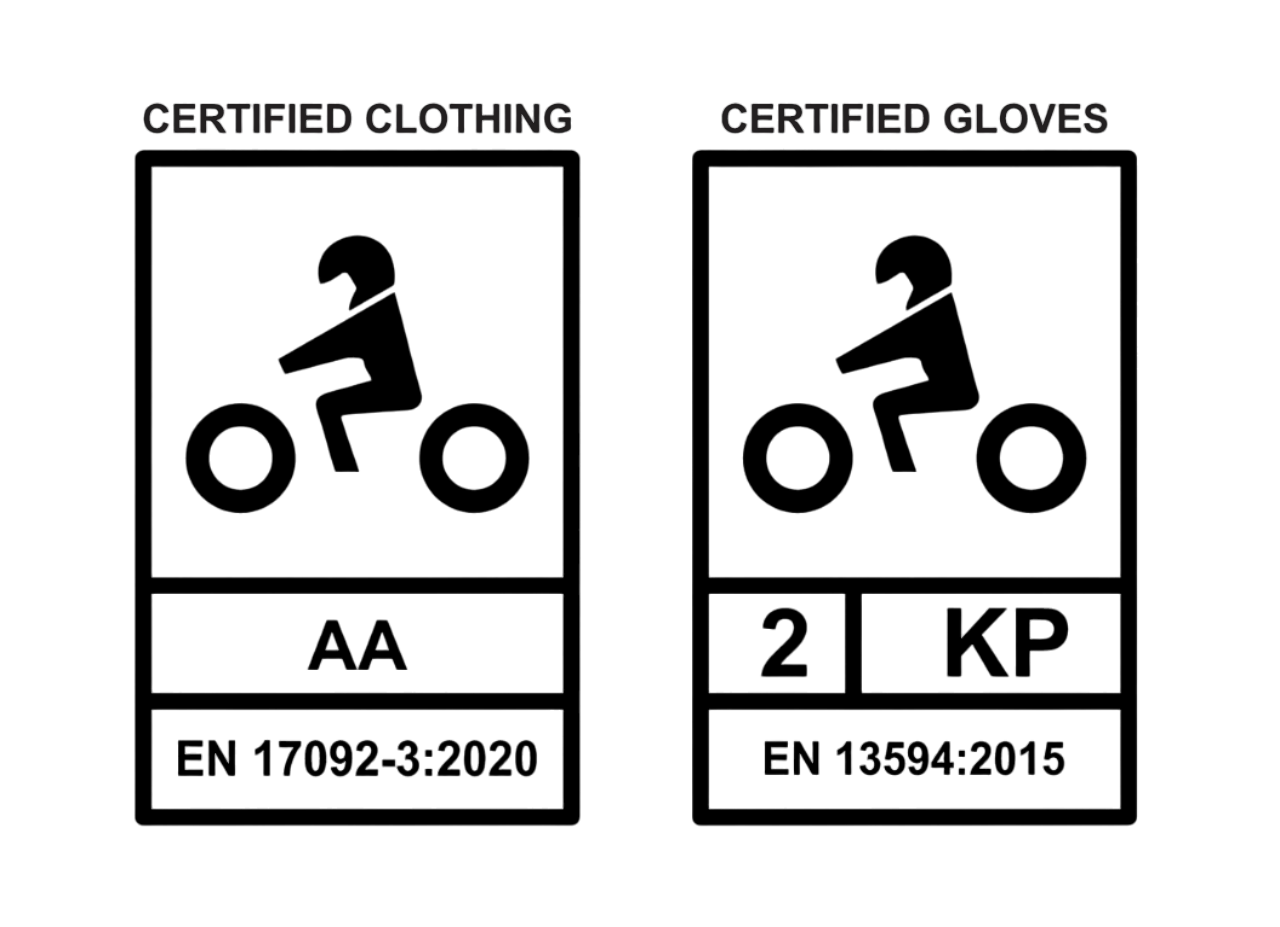
In addition to internal checks, compliance with international safety standards is increasingly important. Many manufacturers follow CE certification requirements to ensure products meet recognized safety and performance benchmarks, as outlined by the European Commission. This adds credibility to your products and strengthens trust with distributors and end users.
Key Features to Look for in a Manufacturer
Industry Specialization
Motorcycle apparel requires technical expertise that goes beyond general garment manufacturing. Specialized manufacturers understand protective features, performance materials, and the functional demands of riding conditions.
This knowledge ensures that products are not only well-designed but also practical and durable in real-world use.
Customization Capabilities
Strong customization capabilities enable brands to develop products that align with their identity while meeting specific performance requirements. This includes everything from design refinement and material selection to the integration of functional features such as protection systems and ventilation.
To get a clearer understanding of what’s possible, you can explore our Motorcycle Apparel Collection, where different product types and customization approaches are showcased in detail.
Consistent Quality Standards
Maintaining consistent quality across production runs is essential for building a reliable brand. This requires structured quality control systems that monitor every stage of manufacturing.
Consistency reduces defects, improves customer satisfaction, and supports long-term business growth.
Scalable Production
As demand increases, your manufacturing partner must be able to scale production without compromising quality or delivery timelines. This requires strong operational systems, skilled labor, and reliable sourcing of materials.
Scalability ensures that your business can grow without facing production bottlenecks.
Communication and Transparency
Clear communication is a critical component of any successful manufacturing relationship. Regular updates, detailed documentation, and responsiveness help ensure that expectations are met throughout the process.
Transparent communication also allows for faster issue resolution, reducing the risk of delays or production errors.
Common Mistakes to Avoid
One of the most common mistakes brands make is focusing solely on price. While cost is important, prioritizing low pricing often leads to compromises in quality and reliability.
Another issue is rushing the sampling phase. Skipping proper testing increases the likelihood of defects during bulk production, which can be costly to fix.
Unclear product specifications can also create problems. Without detailed requirements, even experienced manufacturers may struggle to deliver the desired outcome.
Avoiding these mistakes helps establish a more stable and efficient production process.
How to Choose the Right OEM Partner
Choosing the right manufacturing partner requires careful evaluation of their experience, capabilities, and working processes. Look for a partner that demonstrates consistency, transparency, and a clear understanding of motorcycle apparel production.
It is equally important to assess how well the manufacturer aligns with your business goals. A strong partnership goes beyond production—it supports long-term growth and helps maintain consistent product standards as your brand scales.
To better understand a manufacturer’s approach, experience, and production philosophy, you can review our company profile, where our capabilities and working process are outlined in detail.
Why OEM Manufacturing is the Future of Motorcycle Apparel Brands
As competition increases, brands must focus on differentiation, quality, and scalability. OEM manufacturing enables this by allowing businesses to develop unique products while maintaining control over production standards.
This approach supports stronger brand identity, better product performance, and greater customer loyalty. As demand for high-quality motorcycle gear continues to grow, OEM manufacturing will remain a key driver of success in the industry.
Conclusion
Working with the right OEM motorcycle apparel manufacturer is a strategic decision that influences every aspect of your business. From product development to large-scale production, the strength of your manufacturing partner directly affects your ability to compete and grow.
By focusing on quality, consistency, and long-term collaboration, you can build a product line that meets market expectations and supports sustainable growth. In a competitive industry, the right manufacturing partnership is not just an advantage—it is a necessity.